-1.png?width=1182&height=222&name=TSS_alternate_logo_v1b%20(long)-1.png "TSS_alternate_logo_v1b (long)-1")

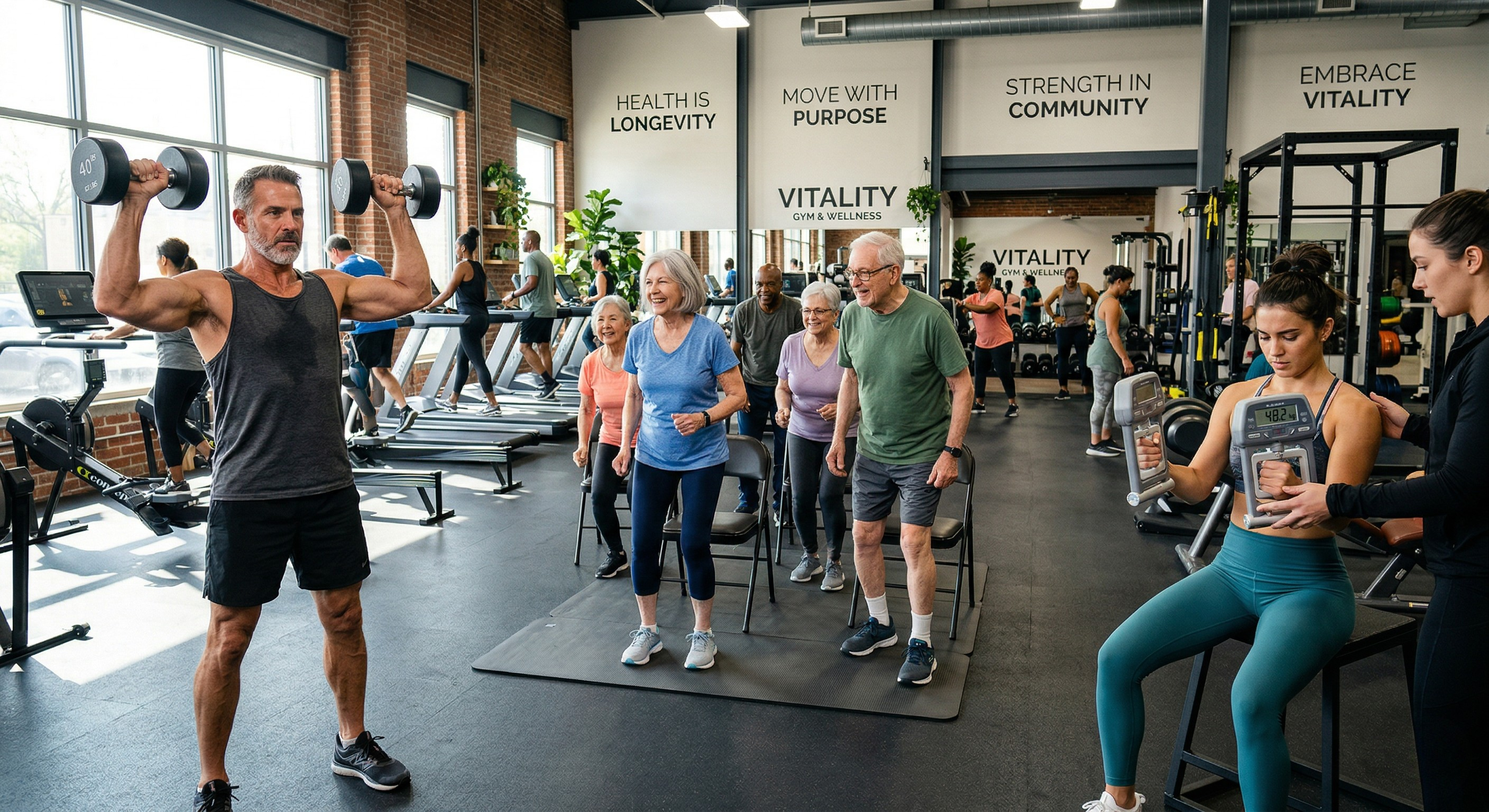
For decades, we’ve been obsessed with the number on the scale. But in the first week of April 2026, a massive shift in medical consensus has finally reached the mainstream: Muscle is not just for bodybuilders—it is the most important organ in your body for staying alive.
As the latest updates from the Global Burden of Disease study and new findings in JAMA Network Open make clear, your "Muscle Span" (the years you live with functional strength) is now a more accurate predictor of your death date than your BMI ever was.
Here is why "Muscle as Medicine" is the biggest health movement of the year.
1. Muscle: Your Body’s "Metabolic Sink"
We used to think of muscle as a mechanical tool for movement. In 2026, we recognize it as a massive endocrine organ.
When you have healthy skeletal muscle, it acts as a "metabolic sink." It is the primary place where your body clears glucose and manages insulin. This is why Dr. Gabrielle Lyon’s "Muscle-Centric Medicine" has gone viral this week: if you have more muscle, your body can handle "lifestyle slips" (like that extra slice of cake) far better than if you are "skinny fat."
The 2026 Context: With the rise of GLP-1 medications (like the new Foundayo pill), doctors are sounding the alarm on "Muscle Wasting." The goal in 2026 isn't just to be smaller; it's to be stronger.
2. The New Vital Signs: Grip Strength & Chair Stands
Forget complex blood panels for a moment. This week’s headlines are dominated by a simple metric: Grip Strength.
New data released this month shows that for every 7kg (15 lbs) increase in grip strength, there is a 12% lower risk of all-cause mortality. * Why? Grip strength is a "proxy" for your total systemic strength and nervous system health.
- The "Sit-to-Stand" Test: If you can complete five unassisted chair raises in under 10 seconds, your biological age is likely years younger than your chronological one.
In 2026, many primary care offices are officially adding dynamometer (grip) tests to their standard "vital signs" check alongside blood pressure.
3. The "Invisible Lifestyle": Dr. Ezekiel Emanuel’s Six Rules
Amid the "biohacking" craze of the mid-2020s, Dr. Ezekiel Emanuel’s new book, Eat Your Ice Cream, has become the surprise bestseller of April. His message? Stop obsessing, start moving.
Emanuel argues that "wellness" has become a second job. His "Six Simple Rules" focus on what he calls the "Walking Cure" and functional movement.
- His Hook: "Just get off your butt and move around." * The Philosophy: True longevity should be an "Invisible Lifestyle"—a background process, not a 4-hour daily regimen. If your fitness isn't giving you the strength to enjoy a meal with friends, what's the point?
How to "Invest" in Your Muscle This Week
You don't need a 2026-era exoskeleton or a $500-a-month gym. According to the latest research, the "minimum effective dose" for longevity is:
- Resistance Training: 2-3 days per week (focus on legs and grip).
- Protein Minimums: Aim for 30g of protein per meal to overcome "anabolic resistance" (the tendency for older muscles to stop growing).
- Functional Play: Carry your own groceries. Take the stairs. Use "manual" tools.
The Bottom Line
In the longevity economy of 2026, Muscle is your savings account. The more you deposit now, the more independence you get to withdraw in your 80s and 90s.
.png?width=160&height=90&name=cdn%20(1).png "cdn (1)")