-1.png?width=1182&height=222&name=TSS_alternate_logo_v1b%20(long)-1.png "TSS_alternate_logo_v1b (long)-1")

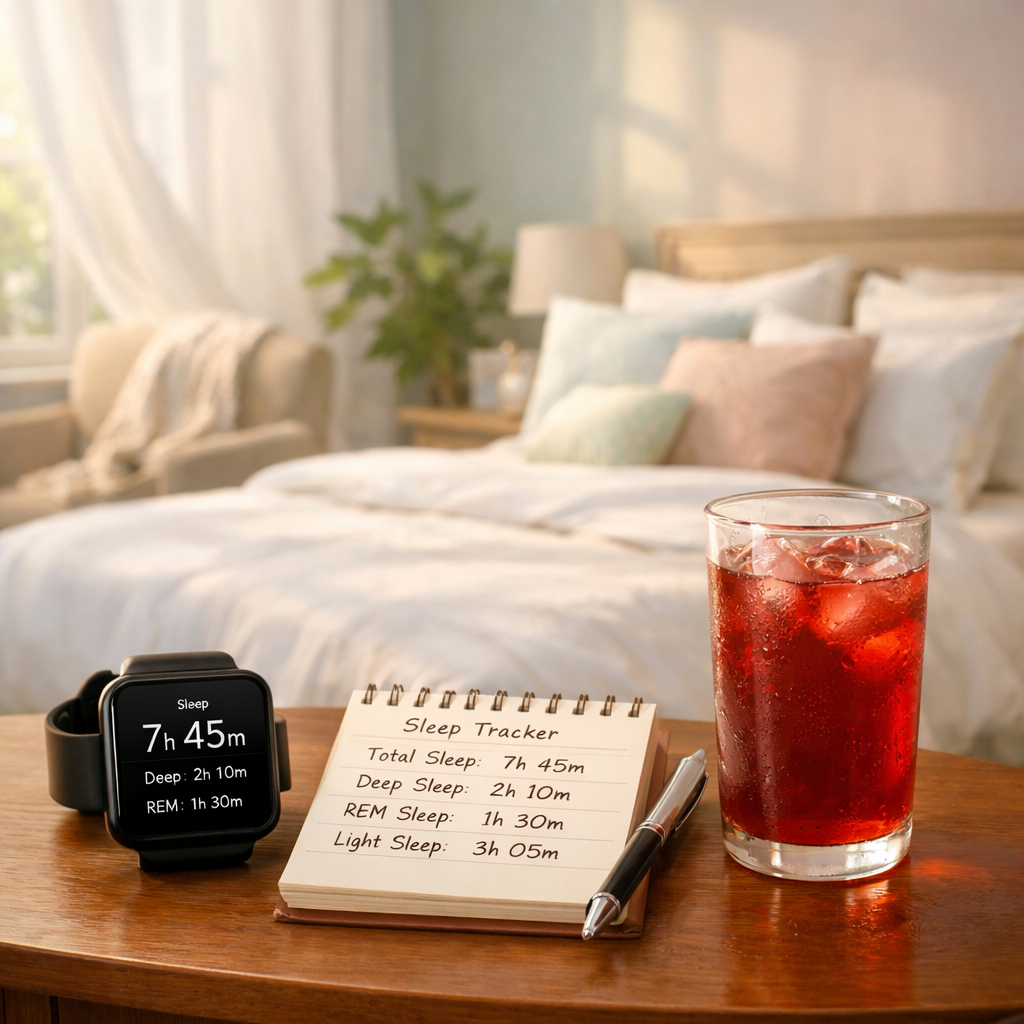
If the first thing you do when you wake up is check your wrist to see how you "scored," you aren’t alone. We are living in the golden age of self-quantification. Our rings, watches, and mats tell us our heart rate variability, our respiratory rate, and, most obsessively, our sleep stages.
We are a society starved for rest, so it’s natural that we want to optimize the hours we do spend in bed. But this influx of data has created a new kind of anxiety: Orthosomnia—the preoccupation with achieving perfect sleep data.
The most common questions filling forums and wellness circles aren't just about total time asleep. They are specific: "My Oura says I only got 45 minutes of Deep Sleep. Am I dying?" or "Why is my REM sleep so low?"
Simultaneously, the quest for the perfect night’s rest has driven people toward increasingly esoteric "biohacks." Searches for "sleep hacks" continue to climb, showcasing a fascinating tension between scientific skepticism and the desperate desire to try anything—from taping your mouth shut to sipping magnesium "mocktails"—to finally drift off.
Today, let's look at what that data actually means, and vet the "hacks" trying to shortcut your way to dreamland.
The Wearable Obsession — Deep Sleep vs. REM
Your tracker breaks your night into four pillars: Awake, Light, Deep, and REM (Rapid Eye Movement). To stop panicking about your morning report, you must understand what Deep and REM actually do. They are not interchangeable; they serve two completely different masters within your body.
Deep Sleep: The Physical Repair Shop
Deep sleep is often called "slow-wave" sleep. During this stage, your brain waves slow down significantly. It is notoriously difficult to wake someone up from this state.
- What it does for you: This is the physical restoration stage. Your body releases growth hormone, repairs tissue, builds bone and muscle, and strengthens your immune system. If you feel physically sluggish or wake up with aching muscles, you might be lacking Deep sleep.
- The Glacial Wash: Crucially, deep sleep is when the glymphatic system—the brain's waste clearance system—actively washes away neurotoxins, including beta-amyloid placks associated with Alzheimer's disease.
REM Sleep: The Mental Filing Cabinet
REM sleep occurs most frequently in the latter half of the night. Your brain activity looks surprisingly similar to when you are awake, your eyes move rapidly, and your skeletal muscles are temporarily paralyzed (so you don’t act out your dreams).
- What it does for you: This is the cognitive and emotional restoration stage. REM is vital for memory consolidation (turning short-term learning into long-term memory), complex problem-solving, and regulating emotion. If you are forgetful, moody, or "foggy," you might be lacking REM.
How Much Do You Actually Need?
Here is the truth that wearable companies don't emphasize enough: Sleep architecture is highly individualized and changes dramatically with age.
Instead of chasing a perfect number, use these scientific averages as a general rule of thumb for healthy adults:
| Sleep Stage | Percentage of Total Night | Purpose |
| Deep Sleep | 13% – 23% | Physical repair, immune function, brain cleaning. |
| REM Sleep | 20% – 25% | Mental repair, memory, emotional regulation. |
Important Takeaway: If your wearable says you got 15% deep sleep and 22% REM, you are doing great. Do not compare your data to anyone else’s. The most accurate way to judge your sleep quality is not the app—it's how you feel at 2:00 PM. Are you alert? Or are you crashing?
Taping and Sipping — Vetting the Biohacks
As skepticism toward pharmaceutical sleep aids grows, people are turning to "natural" biohacks. But are these hacks based on science, or just viral algorithms?
1. Mouth Taping: Miracle Habit or Dangerous Trend?
Mouth taping involves placing a piece of porous, medical-grade tape over your lips to force you to breathe through your nose during sleep.
- The Theory: Nose breathing filters allergens, humidifies the air, increases oxygen uptake, and reduces snoring. Mouth breathing is associated with dry mouth, bad breath, and worsened sleep apnea.
- The Reality: The skepticism is warranted. While nose breathing is superior to mouth breathing, there are very few robust clinical studies on mouth taping itself.
- The Verdict:
- Proceed with extreme caution. Never use standard tape. Use tape designed for skin.
- Do not use it if you have nasal congestion, allergies, a deviated septum, or untreated sleep apnea. If you can't breathe through your nose, you need your mouth as a backup.
- Try nasal strips first. They offer the benefits of improved nasal airflow without the risk of sealing your mouth shut.
2. The Magnesium-Rich Evening "Mocktail"
This trend—popularized on TikTok as the "Sleepy Girl Mocktail"—usually involves mixing magnesium powder (usually magnesium glycinate) with tart cherry juice and sparkling water.
- The Theory:
- Magnesium: An essential mineral that regulates neurotransmitters related to sleep (like GABA). Many adults are deficient.
- Tart Cherry Juice: Contains natural melatonin and tryptophan, precursors to sleep.
- The Reality: The science here is more solid than mouth taping, though we still lack studies on the mixture itself.
- Magnesium glycinate is highly bioavailable and known for promoting relaxation without the laxative effect of other magnesium forms (like citrate).
- Studies do support that tart cherry juice can improve sleep duration and quality in people with insomnia.
- The Verdict: This is a relatively safe, science-backed hack worth trying.
- The key is the type of magnesium. Stick to Magnesium Glycinate for relaxation.
- Be mindful of the sugar content in the juice. Use 100% tart cherry juice without added sugars.
Balancing the Data and the Instinct
Your wearable data is a tool, not a diagnosis. Use it to spot long-term trends, not to judge individual nights. If you notice your deep sleep drops every time you drink alcohol, that is useful data. If you panic because it dropped 10 minutes for no reason, that is orthosomnia.
Sleep is one of the most natural things our bodies do. Sometimes, the best "biohack" isn't taping our mouths or obsessing over charts. It’s honoring the basics: a cool room, a dark environment, consistency, and a wind-down routine that doesn't involve a screen.
Drink the mocktail if it helps you unwind. Wear the tracker if it motivates you. But at the end of the day, trust your body’s signals more than your app’s score.
Disclaimer: The information in this blog is for educational and informational purposes only and is not intended as health or medical advice. Always consult a physician or other qualified health provider regarding any questions you may have about a medical condition or health objectives.
.png?width=160&height=90&name=cdn%20(1).png "cdn (1)")