-1.png?width=1182&height=222&name=TSS_alternate_logo_v1b%20(long)-1.png "TSS_alternate_logo_v1b (long)-1")

We’ve all been there: you open your phone to check one notification, and suddenly forty-five minutes have vanished into a void of "digital slop," doomscrolling, and targeted ads. You put the phone down, but instead of feeling relaxed, you feel heavy, anxious, and strangely tired.
This isn't just "laziness"—it’s Digital Fatigue. In a world where our browsers and apps have become our primary operating systems for life, our brains are paying a heavy "attention tax."
The Anatomy of Digital Fatigue
Fatigue in the digital age isn't just about tired eyes; it’s about cognitive overload. According to recent 2026 studies, nearly 62% of adults experience recurring digital burnout. This fatigue is driven by three main "overloads":
- Information Overload: The sheer volume of news, trends, and data is more than the human brain was evolved to process.
- Communication Overload: The expectation of being "always on"—responding to DMs, Slacks, and emails instantly.
- Social Overload: The mental energy spent on "upward social comparison" (comparing your behind-the-scenes to everyone else’s highlight reel).
How It Impacts Your Mental Wellness
Digital fatigue doesn't stay on the screen; it leaks into your physical and emotional reality.
- Emotional Dysregulation: Constant stimulation makes us more reactive. If you find yourself snapping at loved ones or feeling disproportionately frustrated by small inconveniences, your "surge capacity" may be drained by your devices.
- The Sleep Saboteur: It’s not just the blue light; it’s the "pre-sleep rumination." Checking social media before bed keeps your brain in a state of high alert, making deep, restorative sleep nearly impossible.
- The Productivity Paradox: Ironically, the more "productivity tools" and AI assistants we use, the more burnt out we feel. In 2026, research shows that heavy users of AI and multiple apps actually lose an average of 51 minutes a week just to "tool switching."
3 Practical Changes to Reclaim Your Peace
You don't have to delete every app to feel better. The goal is Digital Resilience, not total abstinence.
1. Establish "Attention Anchors"
Instead of focusing on what to cut out, focus on what to protect. Define 3-4 "Attention Anchors" daily—periods where the phone does not exist.
- The First 30: No screens for the first 30 minutes of the day.
- The Table Rule: Phones go face down (or in a basket) during all meals.
2. Add "Friction" to the Habit
Social media apps are designed to be "frictionless" so you never stop. Re-introduce friction to give your conscious brain a chance to catch up:
- Grayscale Mode: Turn your screen to black and white. It makes the "candy-colored" icons of Instagram and TikTok far less neurologically rewarding.
- The "One-Page" Rule: Move all social media apps off your home screen and into a folder on the last page of your phone.
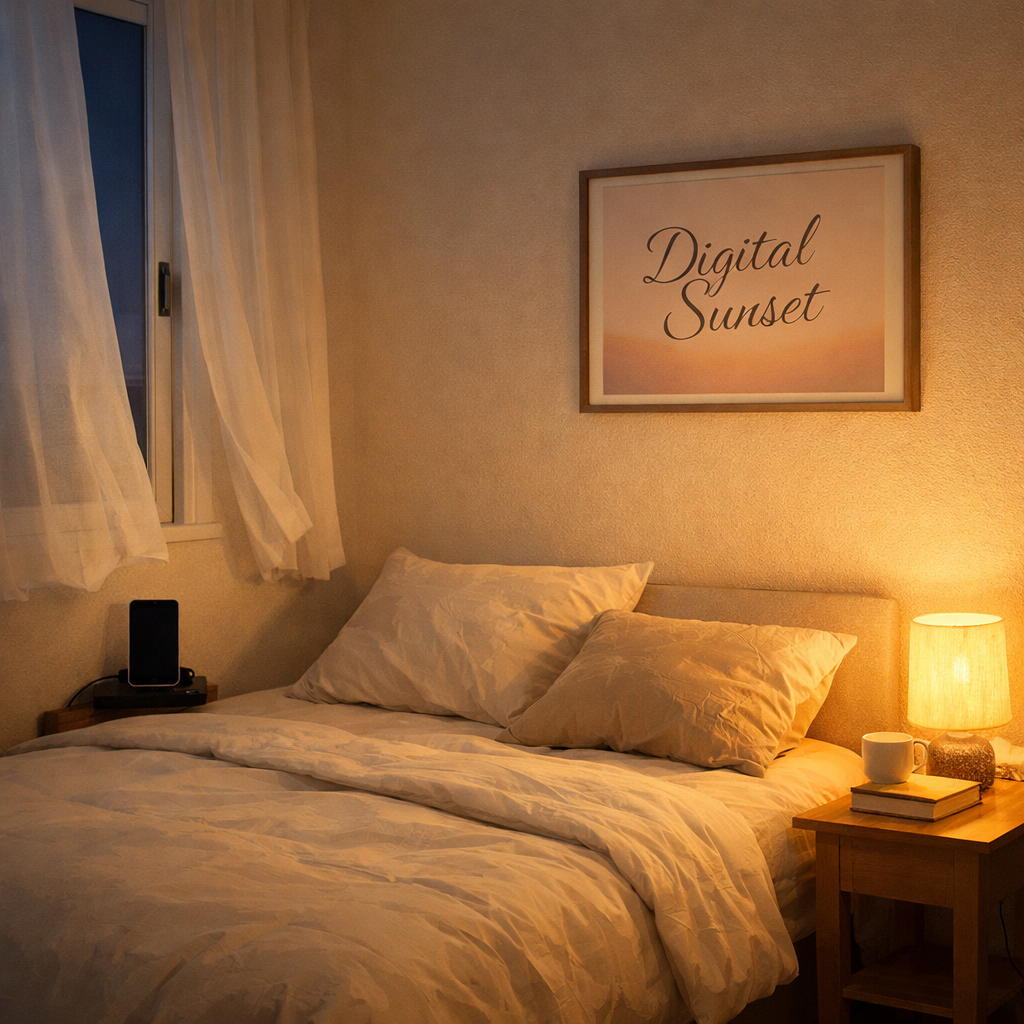
3. The 9:30 PM "Digital Sunset"
Pick a time—ideally one hour before bed—where your devices go to a "charging station" outside the bedroom. Replace the scroll with a low-dopamine activity: reading a physical book, journaling, or a simple 5-minute stretching routine.
The Takeaway: Your attention is the most valuable resource you own. In 2026, the bravest thing you can do is be intentional with where you spend it.
.png?width=160&height=90&name=cdn%20(1).png "cdn (1)")