-1.png?width=1182&height=222&name=TSS_alternate_logo_v1b%20(long)-1.png "TSS_alternate_logo_v1b (long)-1")

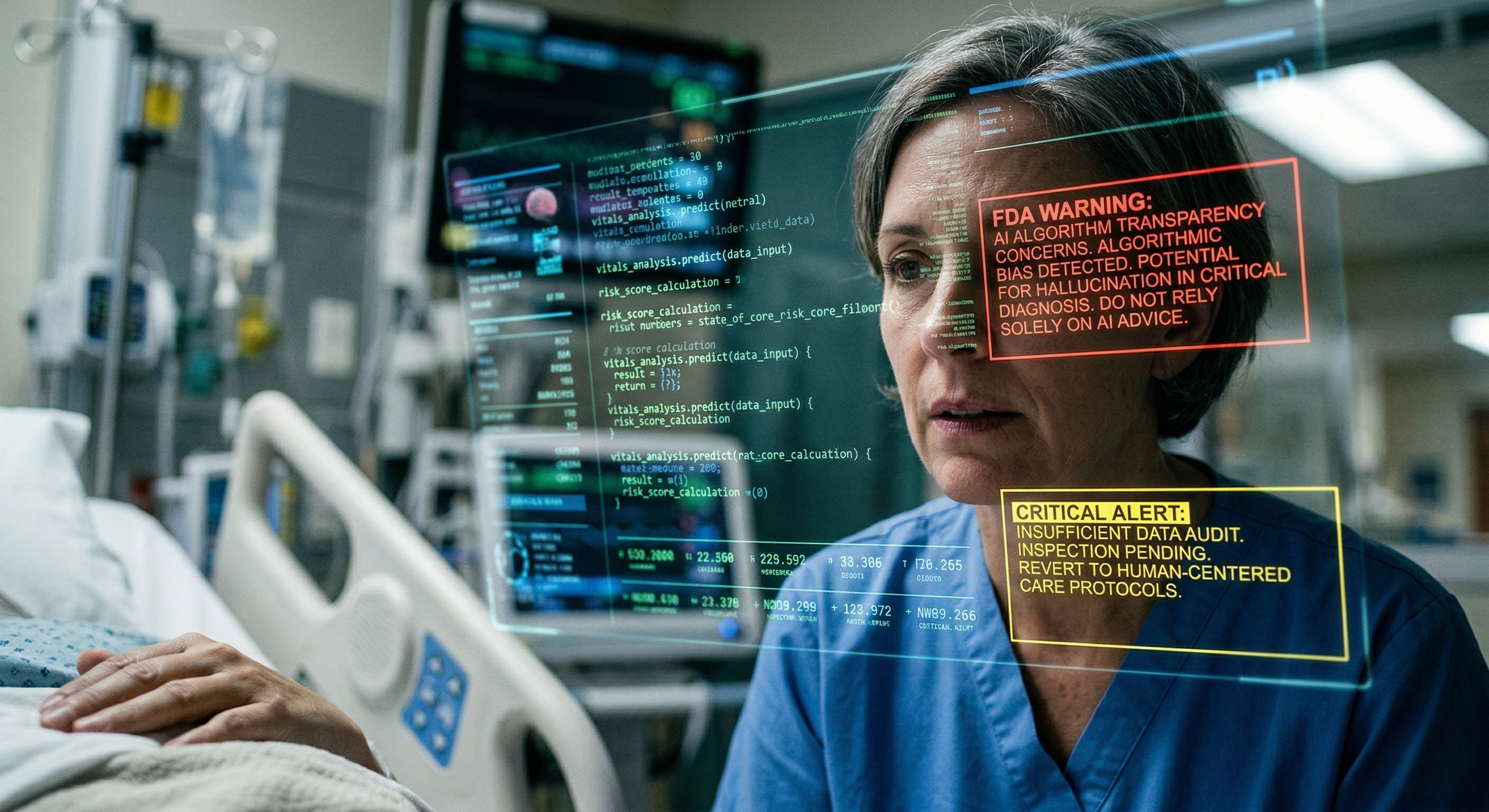
As we navigate the first full week of April 2026, a unsettling question is circulating in patient advocacy groups and hospital boardrooms alike: Who exactly is on the other side of that screen?
While we’ve embraced the convenience of digital health, two major stories this week have highlighted a growing "Trust Gap" in American medicine. From a shocking lawsuit in Connecticut to the FDA’s new crackdown on AI "black boxes," the message is clear: automation cannot replace the physical presence of a physician.
Here is the breakdown of the "Trust Crisis" and how to protect yourself.
1. The "Fake ICU" Scandal: A Warning for Every Patient
The biggest headline this week comes from a negligence lawsuit against Bridgeport Hospital in Connecticut. The case involves the tragic death of a 26-year-old dental student, Conor Hylton, and the term lawyers are using is chilling: a "Fake ICU.
- What Happened: The lawsuit alleges that while Hylton was in the Intensive Care Unit, there was no intensive care physician onsite. Instead, the hospital operated a "Tele-ICU," where a doctor monitored him via a video screen from a remote location.
- The Conflict: When emergencies occurred, the remote link reportedly made it impossible to communicate the life-or-death urgency of the situation. The family argues they were never told their son was being treated by a "beamed-in" doctor rather than a physically present one.
- The Lesson: This case has sparked a national debate about Transparency in Staffing. In 2026, "tele-health" is a tool, but it should never be a substitute for emergency onsite intervention.
2. The FDA’s New "AI Transparency" Push
On the heels of these scandals, the FDA (led by Commissioner Marty Makary) has officially accelerated its 2026 AI Transparency Guidelines.
The goal? To eliminate the "Black Box" in Clinical Decision Support (CDS) software.
- The Rule: Any AI tool used to provide medical recommendations must now have "clinician-reviewable logic." This means a doctor must be able to see why an AI suggested a specific diagnosis or drug.
- The Crackdown: The FDA also issued warning letters this week to over 30 telehealth companies for "misbranding"—marketing that used AI-generated "persona" doctors and misleading claims about their medical infrastructure.
3. The Top Tech Hazard of 2026: AI Chatbots
Adding fuel to the fire, the independent safety organization ECRI just released its 2026 list of the most significant health technology hazards. Ranked at #1: The Misuse of AI Chatbots in Healthcare.
The report warns that as hospital closures and rising costs drive patients to use LLMs (like ChatGPT or Gemini) for medical advice, "hallucinations" are leading to dangerous outcomes—including one instance where an AI incorrectly suggested a surgical procedure that would have caused severe burns.
The "Trust Checklist": What to Ask This Week
In an era of "ghost" doctors and AI-driven clinics, you have to be your own best advocate. Before your next appointment or hospital admission, ask these three questions:
- "Is there a board-certified physician physically in this building 24/7?" (Crucial for ER and ICU stays).
- "Is this diagnosis being assisted by AI?" (If so, ask the doctor to explain the logic behind the AI's suggestion).
- "Am I talking to a licensed human or a clinical assistant using an AI script?" (Common in low-cost telehealth startups).
The Bottom Line
Innovation is exciting, but medicine is a fundamentally human endeavor. AI can analyze data faster than any human, but it cannot feel the "vibe" of a patient’s deteriorating condition or hold a family's hand in a crisis.
In 2026, the best healthcare isn't just the most high-tech—it's the most transparent.
.png?width=160&height=90&name=cdn%20(1).png "cdn (1)")