-1.png?width=1182&height=222&name=TSS_alternate_logo_v1b%20(long)-1.png "TSS_alternate_logo_v1b (long)-1")

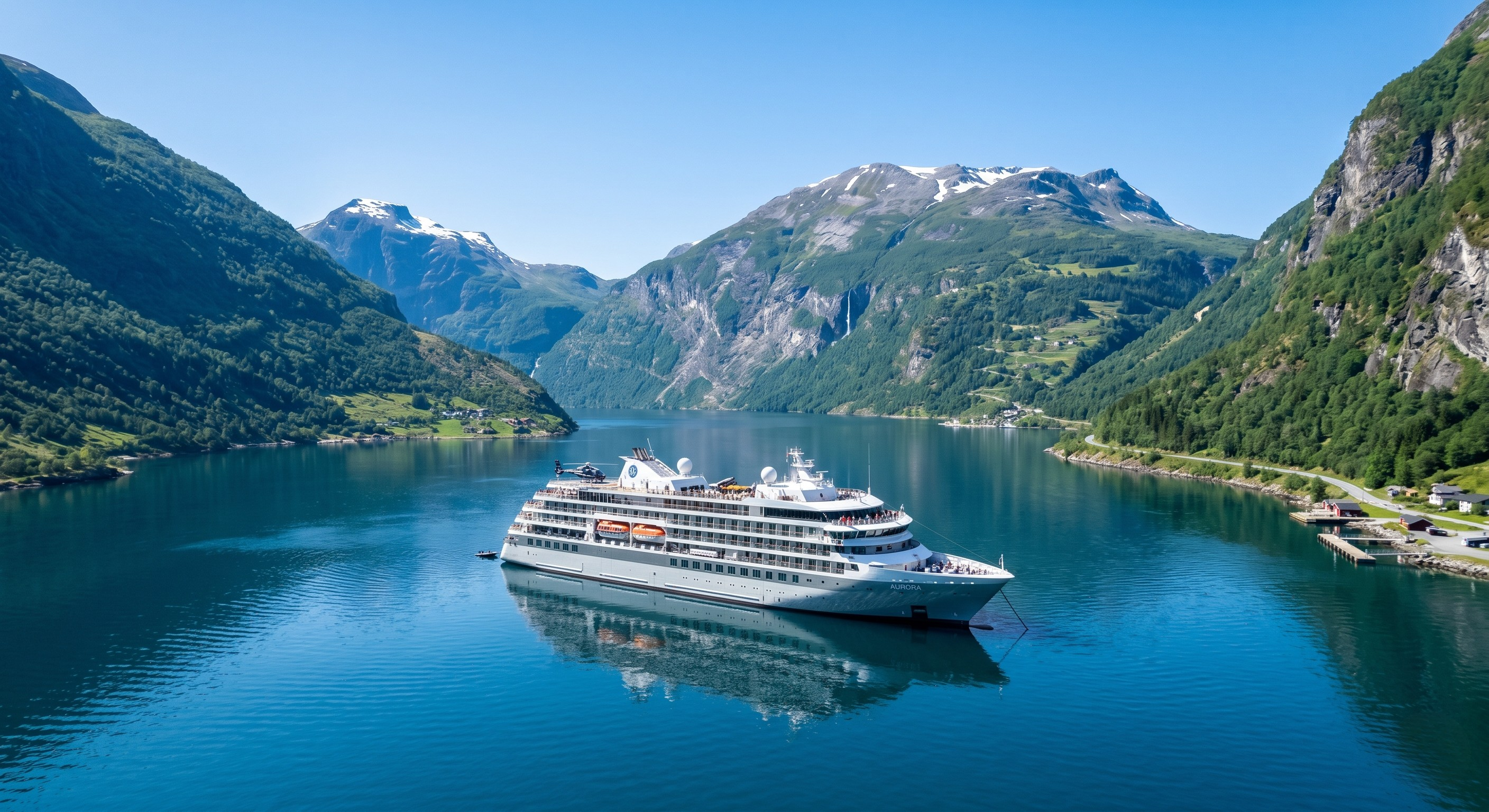
Over the last several days (May 5–6, 2026), health headlines have focused on a cluster of respiratory illnesses aboard the MV Hondius, a Dutch expedition ship traveling from Argentina to the South Atlantic. While any mention of a "rare virus" can spark anxiety, the data coming from the World Health Organization (WHO) and the ECDC suggests this is a localized event with a very specific set of circumstances.
What Actually Happened?
The MV Hondius departed Ushuaia, Argentina, on April 1, 2026. Between April 6 and April 28, a small group of passengers developed severe respiratory symptoms. As of today, officials have confirmed eight cases, including three tragic deaths.
The investigation points to the virus being introduced by a passenger who was likely exposed to infected rodents during outdoor activities (such as birdwatching) in Argentina before boarding.
Why the "Andes" Strain is Significant
The virus has been identified as the Andes strain (ANDV). This is a specific type of hantavirus native to South America. It is significant for two reasons:
- Hantavirus Pulmonary Syndrome (HPS): Like other New World hantaviruses, it can cause severe lung congestion and breathing difficulty.
- Human-to-Human Transmission: Most hantaviruses spread only from rodents to humans. However, the Andes strain is unique because it is the only known hantavirus capable of spreading between people.
The Important Caveat: While human-to-human spread is possible, it is extremely rare and typically requires "prolonged, intimate contact." On the MV Hondius, the spread was limited to cabin mates and very close contacts—not the general ship population.
Why You Shouldn't Panic
Health authorities, including the Africa CDC and the WHO, are maintaining a "Low Risk" assessment for the general public for several key reasons:
- It’s Not the "Next Pandemic": Unlike highly contagious viruses like the flu or COVID-19, hantaviruses do not spread through casual contact or air conditioning systems. You cannot catch it by walking past someone in a hallway.
- Contained Environment: The ship has implemented strict protocols. Passengers were isolated in cabins, and the ship is currently being managed through a coordinated international response.
- No "Rodent Reservoir" on Board: Inspections confirmed there are no rodents on the ship. The virus cannot "live" on the vessel independently; it requires a human or rodent host.
What Travelers Should Know
If you have upcoming travel to South America or are planning a cruise, the advice remains standard:
- Avoid Rodent Contact: When hiking or camping in endemic areas (like parts of Argentina or Chile), avoid areas with heavy rodent droppings.
- Monitor Symptoms: The incubation period can be up to six weeks. If you’ve traveled to these regions and develop a high fever, muscle aches, and sudden shortness of breath, contact a healthcare provider and mention your travel history.
- Trust the Protocol: The maritime industry has robust protocols for illness. The swift identification of this cluster is actually a testament to how well these monitoring systems work.
The Bottom Line
The MV Hondius situation is a medical rarity, not a public health crisis. By understanding that this specific strain requires intimate contact to spread, we can replace the "viral panic" with informed vigilance.
Sources Used for This Article
- World Health Organization (WHO): Disease Outbreak News: Hantavirus cluster linked to cruise ship travel, Multi-country. (May 4–6, 2026).
- European Centre for Disease Prevention and Control (ECDC): Assessment and recommendations on the Hantavirus-associated cluster. (May 6, 2026).
- Africa CDC: Official Statement on Multi-Country Hantavirus Cluster. (May 6, 2026).
- CIDRAP (Center for Infectious Disease Research and Policy): At least 8 sickened in suspected hantavirus outbreak; Andes strain confirmed. (May 6, 2026).
- BBC News/Associated Press: Reports on the MV Hondius itinerary and passenger status. (May 5, 2026).
.png?width=160&height=90&name=cdn%20(1).png "cdn (1)")