-1.png?width=1182&height=222&name=TSS_alternate_logo_v1b%20(long)-1.png "TSS_alternate_logo_v1b (long)-1")

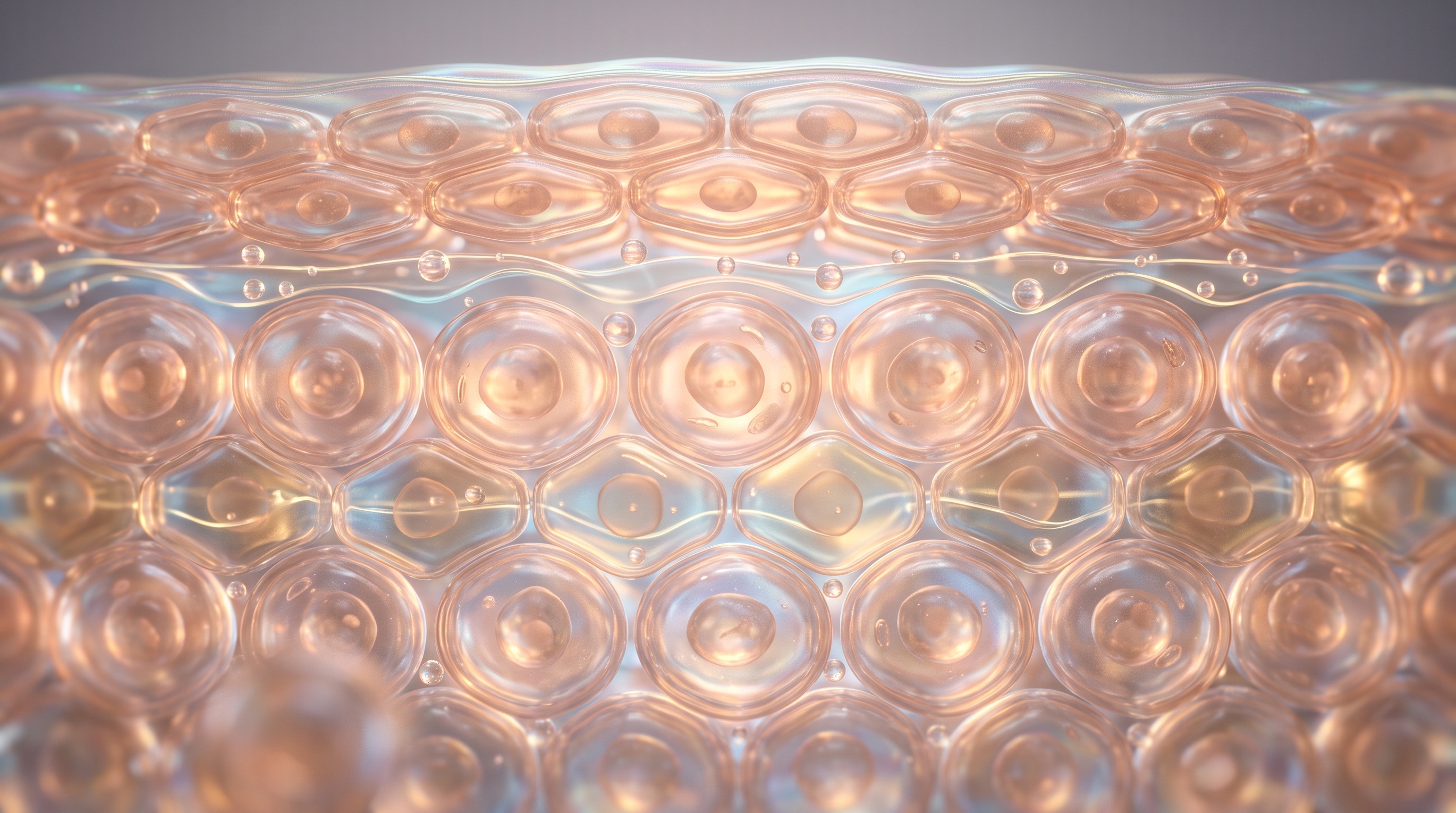
We obsess over our topical skincare routines. We carefully layer hyaluronic acid for hydration, dab on vitamin C for a glow, and never leave the house without a thick layer of SPF. But while we spend so much time treating our skin from the outside in, we often ignore the complex biological engine running underneath.
The primary fuel for that engine? Your hormones.
When we talk about hormones and skin, the conversation usually stops at teenage breakouts or stubborn jawline acne. However, your skin’s relationship with your body’s internal chemistry is far more sophisticated than the occasional pimple. To truly understand your complexion, you have to understand the hormones running the show.
The Surprising Role of Testosterone
Testosterone gets a notoriously bad rap in the beauty and dermatology world. Because it is an androgen (a type of hormone present in both men and women), it is frequently blamed for triggering excess oil and causing severe breakouts.
While it is true that hormonal imbalances can lead to clogged pores, having healthy, balanced levels of testosterone is completely non-negotiable for a resilient complexion. It is not just an acne villain; it is actually one of your skin’s hardest and most essential workers.
How Hormones Actively Manage Your Complexion
Your skin relies on hormones like testosterone to perform critical, everyday functions that keep your barrier healthy and your face looking fresh.
Mastering Oil Control Nobody wants a greasy, shiny face, but you also do not want bone-dry, cracked skin. Testosterone acts as the master regulator for your sebaceous glands.
- Natural hydration: It dictates exactly how much sebum (oil) your skin needs to produce to stay naturally lubricated.
- Preventing premature aging: Without this hormonal signal, your skin’s moisture barrier would dry out, leaving you highly vulnerable to irritation and fine lines.
Building a Resilient Barrier Think of testosterone as your skin’s personal contractor and bodyguard. It plays a massive role in maintaining the structural integrity of your face.
- Rapid wound healing: Whenever you experience a scratch, a sunburn, or a picked blemish, testosterone helps speed up the cellular repair process.
- Thicker, stronger skin: It directly contributes to skin thickness, keeping your face plump, firm, and capable of defending itself against environmental stressors like wind and pollution.
Your Skin Is a Built-In Hormone Factory
Here is where the science gets truly fascinating. You might assume that your skin just passively waits for your internal organs to pump hormones through the bloodstream.
Instead, your skin is highly independent. It functions as its own localized hormone factory. According to research published in the Journal of Drugs in Dermatology, your skin contains the necessary enzymes to manufacture its own localized supply of testosterone.
- Sourcing the materials: Your adrenal glands produce precursor hormones that circulate through your body.
- The localized conversion: When those adrenal hormones reach your skin, your skin actively converts them into the exact amount of testosterone it needs to heal a micro-tear or balance its oil levels.
It is a completely self-sustaining system, working around the clock to keep your barrier intact without waiting for instructions from the rest of your body.
The Bottom Line
A great moisturizer and a solid cleanser will always be important, but you cannot out-skincare your biology. Your skin is a living, breathing organ that runs on a delicate, highly intelligent balance of hormones.
The next time you deal with a hormonal breakout, remember that those same androgens are the exact biological tools keeping your skin thick, hydrated, and capable of healing itself. True skin health is about working with your internal chemistry, not just covering it up.
.png?width=160&height=90&name=cdn%20(1).png "cdn (1)")