-1.png?width=1182&height=222&name=TSS_alternate_logo_v1b%20(long)-1.png "TSS_alternate_logo_v1b (long)-1")

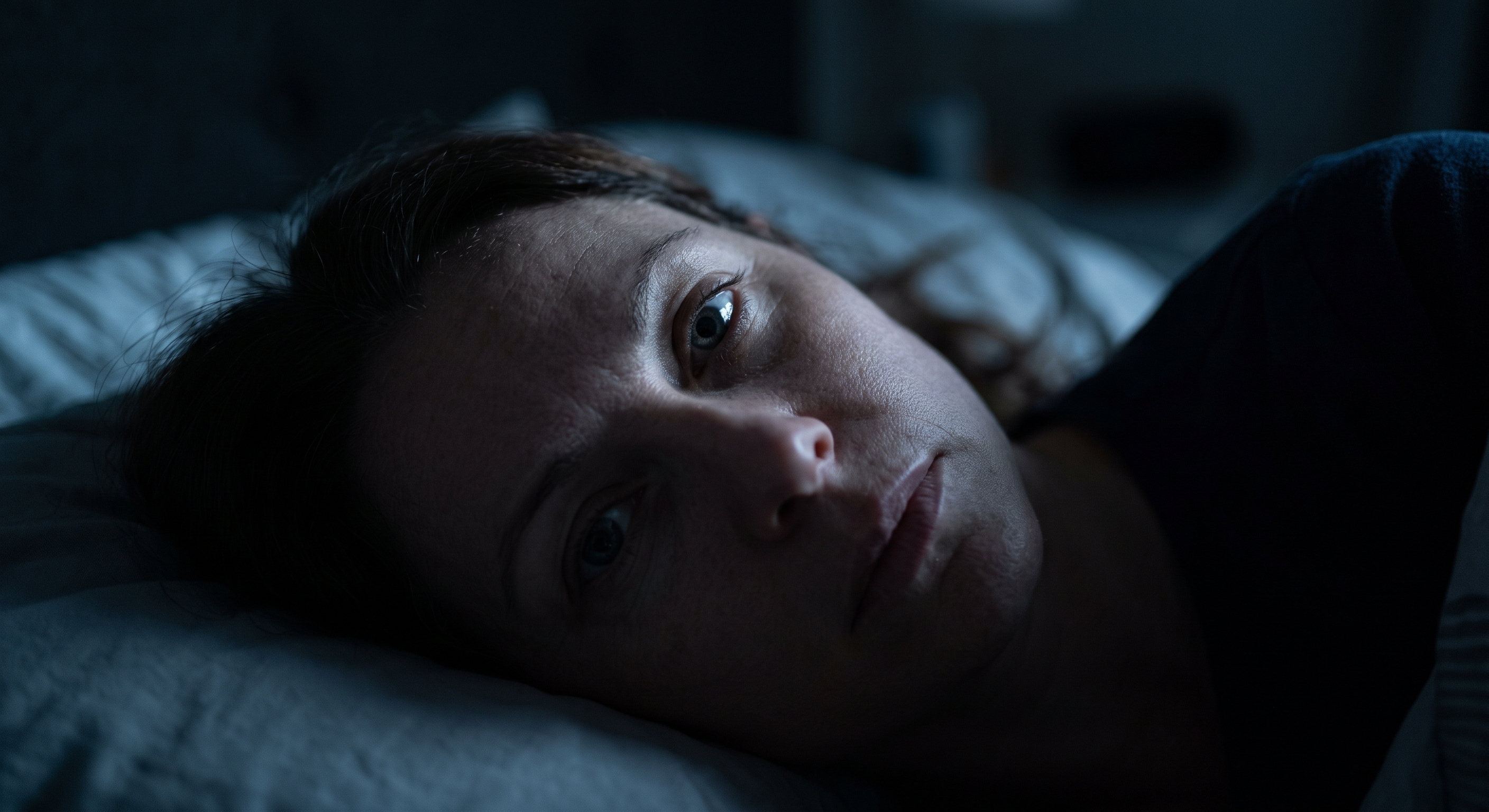
The Perimenopause Sleep Crisis: What is Going On?
If you or your partner are navigating perimenopause, you already know it’s a time of major life changes. But one of the most frustrating—and common—shifts is what happens when the lights go out.
Instead of drifting off, many women find themselves staring at the ceiling, waking up repeatedly, or feeling like they barely slept at all. In fact, research shows that perimenopause impacts a staggering 80% to 90% of women, and the onset or worsening of sleep disturbances is incredibly prevalent during this transition. This isn't just about feeling a little groggy; it is a fundamental shift in how the body rests.
Fluctuations in hormones like estrogen and progesterone directly mess with sleep quality. Add in the natural changes of aging and shifts in your body's internal clock, and you’ve got a perfect storm for restless nights.
The Vicious Cycle: Sleep, Mood, and Hot Flashes
Here is where things get really tricky. Poor sleep doesn't happen in a vacuum. It acts like a giant domino that knocks down everything else in its path.
- Hot Flashes: Vasomotor symptoms, commonly known as hot flashes, are notorious for disrupting sleep. You wake up sweating, throw off the covers, and suddenly you are wide awake.
- Mood Swings: When sleep is constantly interrupted, patience naturally wears thin. A lack of rest exacerbates mood changes, making anxiety and irritability much harder to manage.
- The Loop: It becomes a frustrating, interconnected loop. Hot flashes wake you up, poor sleep makes you anxious, and heightened anxiety makes it even harder to fall back asleep.
Why We Can’t Just "Power Through" Poor Sleep
It’s tempting to just chug another cup of coffee and push through the fatigue. But this is where we have to look at the long game.
If sleep problems remain unaddressed for too long, they don't just leave you feeling tired today—they can negatively impact both physical and mental health down the road. Chronic sleep deprivation strips away the body's resilience. Recognizing and managing these sleep disruptions is vital, not just for getting through the afternoon slump, but for safeguarding your long-term well-being.
Practical Ways to Tackle Sleep Struggles as a Team
Perimenopause isn’t just a solo journey; it’s a transition that affects the whole household. The good news? You can tackle this together.
Disclaimer: We aren’t doctors, and you should definitely chat with a healthcare provider about persistent sleep or mood issues. However, experts note that non-pharmacological approaches are often considered a fantastic first-line therapy. Here are some practical, everyday ways partners can offer support:
Create a Cool, Calm Sleep Sanctuary
A comfortable environment can make a massive difference when night sweats strike.
- Cool things down: Keep the bedroom temperature a few degrees lower than usual.
- Layer up: Use breathable, moisture-wicking sheets and layered blankets so she can easily kick off covers without freezing her partner out.
- Invest in a fan: A quiet bedside fan can provide instant, targeted relief during a nighttime hot flash.
Establish a Joint "Wind-Down" Routine
Help signal to the brain that it’s time to rest by winding down together.
- Ditch the screens: Turn off phones and TVs an hour before bed to limit blue light exposure.
- Relax together: Try reading a book, listening to an audio series, or doing some light stretching in the living room.
- Dim the lights: Lowering the lighting in the house can help encourage the body’s natural sleep cues.
Pick Up the Slack When Exhaustion Hits
Partners, this is where you can truly shine. If she’s had a brutal night of fragmented sleep, step in.
- Take over morning duties: Let her sleep in while you handle breakfast, walk the dog, or get the kids ready.
- Show empathy, not frustration: When mood swings happen, remember it’s the exhaustion talking. A simple, "I know you didn't sleep well last night—what can I take off your plate today?" works wonders.
Moving Forward With Grace and Teamwork
Perimenopause is a profound season of change, and sleep is the foundation that holds everything else together. By understanding that symptoms like hot flashes and mood swings are deeply connected to rest, couples can step into this phase with empathy and confidence.
.png?width=160&height=90&name=cdn%20(1).png "cdn (1)")