

Let’s Talk About Your Next Mammogram
Let’s be honest: scheduling a mammogram probably isn’t the highlight of your year. Between the awkward machines, the waiting room anxiety, and the dreaded callback fears, it’s a medical chore most of us just want to get over with.
But what if the technology behind that screening just got a massive, life-saving upgrade?
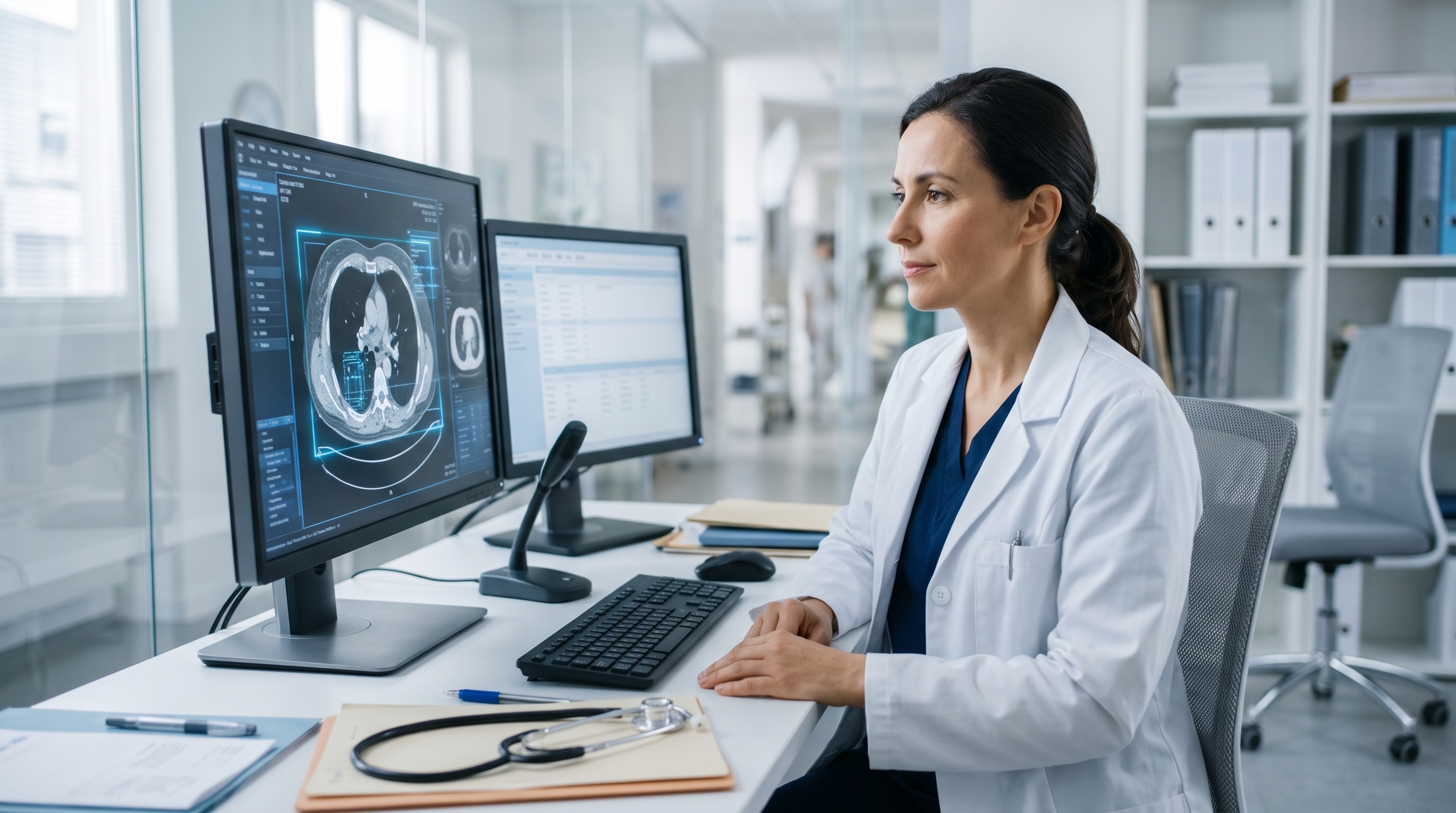
Artificial intelligence is making headlines everywhere, but its latest gig might be its most important one yet: helping doctors detect breast cancer earlier and more accurately than ever before.
The MASAI Trial: What the Numbers Actually Mean
Recently, a massive randomized trial known as the MASAI study (published in The Lancet Digital Health) followed over 105,000 women to see how AI could change the game.
The results were nothing short of incredible. When AI was used to support radiologists in reading mammograms, it found 29% more cancers compared to two human radiologists reading the scans on their own.
Think about that for a second. That is nearly a third more women getting the early interventions they need, simply because a smart algorithm acted as a backup reader.
Catching More, Without the False Alarms
If you’re reading this and thinking, "Great, but is this just going to flag every little shadow and cause more panic?" you can take a deep breath.
One of the biggest wins from this study is that the 29% increase in detection happened without increasing false alarms. The AI didn't create unnecessary biopsies or extra anxiety; it just did a remarkably precise job of highlighting areas that truly needed a closer look.
Stopping "In-Between" Cancers in Their Tracks
The good news didn't stop there. By 2026, the final results of the trial revealed another massive breakthrough: women whose scans were read with AI support had fewer aggressive, interval cancers.
Interval cancers are those fast-growing tumors that pop up between your regularly scheduled screenings. Because the AI helped catch subtle warning signs earlier, fewer of these aggressive cancers were able to slip through the cracks.
How AI Works With Your Doctor, Not Against Them
It's completely normal to feel a little hesitant about a computer reading your medical charts. But it’s important to know that AI isn’t replacing your doctor.
Instead, think of AI as the ultimate spell-checker for your radiologist. It acts as an untiring second pair of eyes that highlights tiny, microscopic patterns a human eye might miss at the end of a long shift. Your doctor is still the one making the final call, but now they have a wildly powerful tool in their corner.
What to Know Before You Book Your Next Screening
If you’re ready to schedule your next appointment and want to take advantage of this technology, here is what you need to know:
- You are likely covered: Under most insurance plans, standard screening mammograms are covered at no out-of-pocket cost for women 40 and older.
- Ask about the AI fee: While the baseline mammogram is covered, some imaging centers do charge a small, out-of-pocket add-on fee to run your scan through an AI review system.
- Advocate for yourself: When you call to book your appointment, simply ask, "Does your facility offer AI-supported mammogram readings, and is there an extra fee for it?"
The Bottom Line
Getting a mammogram is one of the most profound acts of self-care you can do. And with AI stepping up to catch 29% more cancers with pinpoint accuracy, you can walk into your next appointment with more confidence and peace of mind than ever before.
Sources:
- BreastCancer.org: Using AI to Detect Breast Cancer
- Link: https://www.breastcancer.org/screening-testing/artificial-intelligence
- How to use it: This is arguably the best patient-facing resource on the topic. It does a fantastic job explaining how AI systems are trained on millions of mammograms and why they act as an aid to the radiologist, not a replacement.
- DenseBreast-Info: Mammography AI Screening Tools
- Link: https://densebreast-info.org/duplicated-pages/mammography-ai-screening-tools-comparative-tables/
- How to use it: This site breaks down how AI is specifically being used not just for cancer detection, but for accurately reading dense breast tissue—a major pain point for many women.
